
Starting 2026 with Bhimsenji's routine: Raagas Todi, Multani, and Purvi through the day
HNY. Intention this year is to learn more about music, practice more, write more 🙂 and create more whether it is live or produced. Wishing for more musical collaborations and energy.

Wish you all a happy New Year and I wish you all the best for 2026. May this year be filled with many memorable musical moments.
I don’t know what it is about the new year, but everyone seems busy building new habits and making positive-sum changes in their lives. I, too, started thinking about what to do in the new year musically and put together a plan I could follow through on. Next came the big question - which raags do I start with?
Take a few minutes to listen to any good musician talk about their practice routine, and many will tell you about practicing with intention. Calibrating yourself, understanding your weaknesses, and working on them. Unfortunately, no one tells you that you have to figure this part out yourself. Of course, my teacher(s) have taught me how to sing, practice, and get better, but this goes beyond that. This might also be a new-ish problem since music students for generations have been practicing at their teacher’s home, a.k.a. the gurukul.
Mimicking the greats
I’ve learned to sing mostly by imitating my teachers, peers, and other singers. In addition to the songs, I also aped the mannerisms, body movements, enunciation, vocal acrobatics, and stage presence of many of these musicians. Why not also ape their practice method, I thought?
I read Pt Bhimsen Joshi’s words in his bio about his early practice routine, and it turns out the great Sawai Gandharva taught Bhimsen and his peers the same three raags every day for many years before he expanded their vocabulary.
Raag Todi in the morning
Raag Multani in the afternoon
Raag Purvi at night.
These raags are not very different in construction, but they are giants when it comes to performance and improvisation. The practice of singing the same notes everyday, and expressing your musical intentions through it seems daunting, now imagine repeating the routine for years. I quote:
“Ragas are so pregnant with nuance that they can scarcely be described adequately through the written word. In practice, the lakshanas of ragas are burnt into a musician’s mind through taleem and, in the case of the ‘higher’ musician, through ceaseless reflection (manan-chintan). - R Parrikar
You’ve read about the 10,000 hours of time spent pursuing a hobby/skill. Bhimsenji and peers were fortunate to reflect deeply on the same raag, before they could form opinions and explore other facets of music. They probably practiced together with their fellow students, inspired and learned from each other.
The best we can do virtually is segway to listening to these raagas.
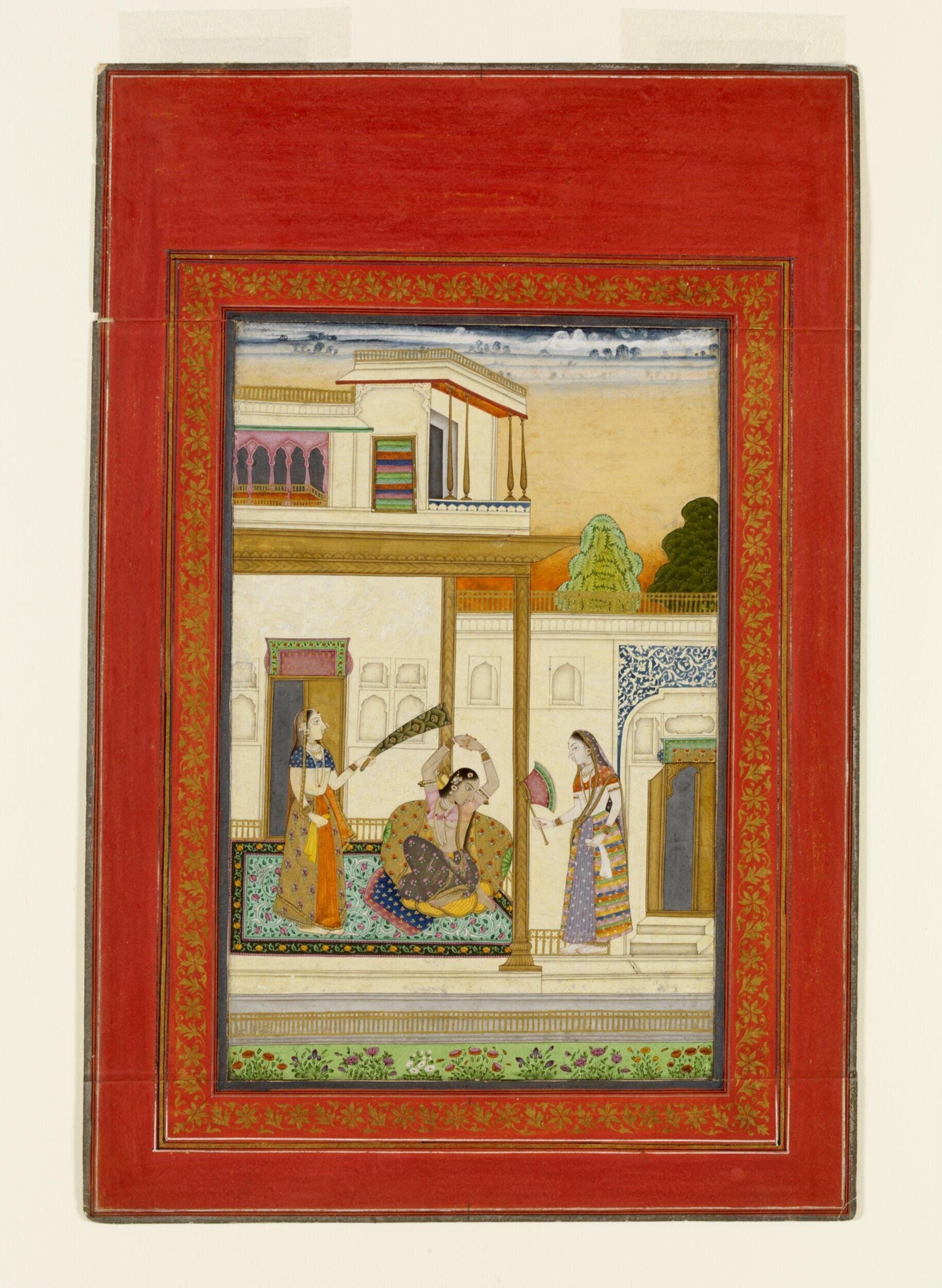
Raag Multani and Raag Purvi (or Raag Poorvi)
I’ve written about Todi briefly, so I’ll focus on the other two notable mentions. Multani derives most of its notes from the Todi family, but that’s where the similarity ends. It’s also very similar to Raag Basant, covered earlier in this publication.
Here’s the creator of Indore Gharana of music, Ustad Amir Khan’s Saab’s rendition of the Vilambit “Surajan matwaala, jin piya prem ras pyaala” and the drut bandish "Balama more tumse laagali preet"
To finish, I’d like to share Purvi by none other than Bhimsenji himself with the vilambit Hari mai ka sab sukha bina.
Purvi is really haunting, and the use of the two Madhyams provides enough sonic ear candy to keep the thread going between the Ga re Ga on the one side and the pull towards Komal Dha on the other side. Perfect for listening just before sunset.
The uttaranga portion of the raag reminded me of Puriya Dhanashree because of the interplay between Komal Re and Komal Dha. Both of those notes add gravitas to points of entry after Sa and Pa, always a tempting nugget for musicians to reach for.
Remember, India’s Republic Day is just around the corner. I’d like to reshare my post on the song of the Nation - Vande Mataram and its history. Please read and share with your family and friends.
Vande Mataram: From Banned Protest Song to National Song, including the original Hindu ode to Ma Durga.

Most of you know the poem and song “Vande Mataram” and maybe even hum the tune set to Raag Des. Originally titled “Bande Mataram”, a poem by Bankim Chandra Chatterjee in his 1882 novel Anandmath, the words are in Bengali and Sanskrit. It gained popularity first when Rabindranath Tagore recited the poem in Congress in 1896.
